
Custom Built Saunas
Heat Therapy Rooms Built for Residential Properties
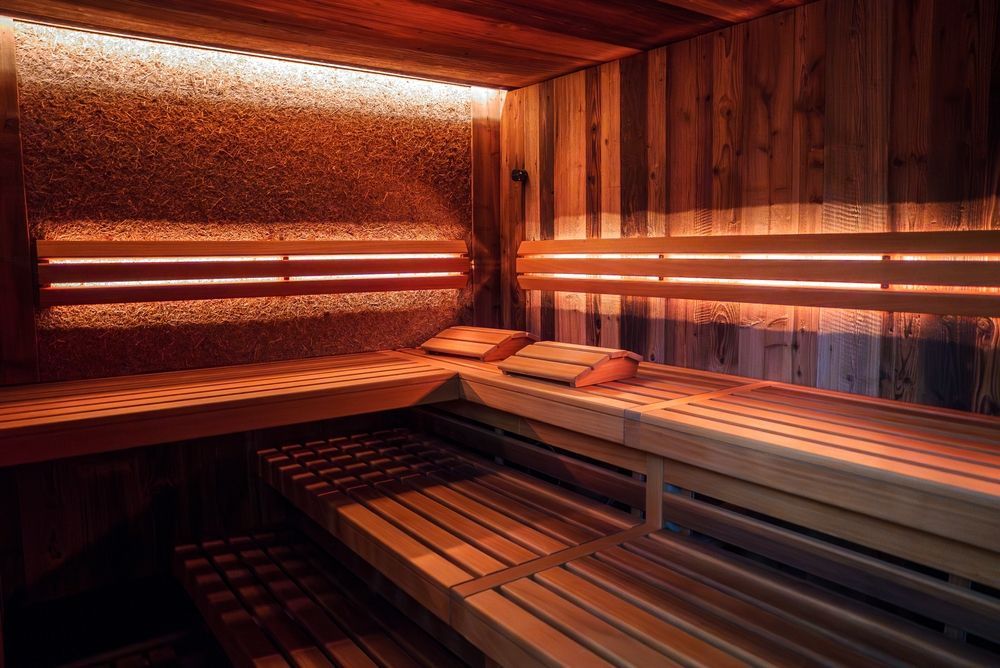
Custom built saunas in Asheville for homeowners adding dedicated wellness infrastructure or renovating underperforming existing installations
A properly constructed sauna maintains consistent dry heat between 150 and 195 degrees without creating moisture problems in surrounding rooms or requiring constant heater adjustments. Peak Renovations, LLC handles custom sauna builds, installations, and renovations that address ventilation requirements, moisture control, and thermal efficiency specific to mountain home conditions. Whether you're converting a basement corner, adding a backyard structure, or upgrading an existing sauna that struggles with heat retention, the work focuses on creating functional heat therapy space that performs reliably across Asheville's seasonal humidity shifts.
The service includes designing the sauna enclosure, selecting appropriate wood species for benches and wall lining, installing vapor barriers and insulation assemblies, integrating heater systems, and configuring ventilation pathways. Renovations often involve replacing compromised wood, upgrading inadequate insulation, or reconfiguring heater placement to improve heat distribution.
Arrange a property consultation to review space options and discuss wood selection based on your heat preferences and installation location.
Common Questions About This Service
Property owners typically ask about space requirements, material choices, and what affects sauna performance in finished basements versus detached structures.
What size room do you need for a functional home sauna?
A minimum interior dimension of 4 feet by 6 feet provides enough space for two-person seating, though 6 feet by 8 feet allows more comfortable bench layouts and better heat circulation around the heater.
How does installing a sauna in a finished basement differ from a detached structure?
Basements require careful vapor barrier work to prevent moisture transfer into surrounding stud bays, and ventilation must account for limited air exchange compared to outdoor builds where passive venting through soffit gaps is easier to achieve.
When should you renovate an existing sauna instead of rebuilding?
If the framing and insulation remain intact but benches show staining or wood panels have lost their finish, selective replacement of interior components is more cost-effective than full demolition.
Why do some saunas struggle to reach temperature in Asheville winters?
Inadequate insulation in walls or ceiling allows heat loss, or the heater is undersized for the room volume. Cold concrete slab floors without insulated subfloor assemblies also draw heat away faster than the heater can compensate.
What indicates a well-constructed sauna during the first session?
Even heat distribution across bench levels, dry wood surfaces with no condensation pooling, and the ability to maintain set temperature without the heater running continuously all signal proper insulation and ventilation balance.
Peak Renovations, LLC evaluates your available space and discusses material options during the initial consultation. Contact the team to review your sauna project goals and address site-specific installation considerations for your property.
How Custom Sauna Construction Addresses Performance Requirements
You need foil-faced insulation in walls and ceiling to reflect radiant heat back into the room, an air gap between the vapor barrier and interior wood paneling to allow moisture evaporation, and proper ventilation placement that pulls fresh air without creating cold drafts at bench level. Wood selection matters: cedar resists moisture damage and stays cooler to the touch, while hemlock offers a milder scent and tighter grain. Heater sizing must match room volume, and placement affects how evenly heat distributes across seating areas.
Once the build is complete, the sauna reaches target temperature within 30 to 45 minutes and holds steady heat without constant cycling. You'll notice no mold or mildew odors, benches that remain comfortable against skin even at high temperatures, and dry walls that don't accumulate moisture between sessions. The surrounding rooms stay dry because vapor barriers prevent steam migration into wall cavities.
Peak Renovations, LLC coordinates electrical work for heater installation, but all wiring and breaker panel modifications are handled by licensed electricians per North Carolina code. The service covers structural framing, insulation and vapor barrier installation, wood paneling, bench construction, door fitting, and ventilation setup. Heater selection depends on sauna size, desired heat-up time, and whether you prefer electric or wood-fired systems.